After Dark
Fluid form. Electric presence.
Notes on Familiar Clothes
The Pleasure of Wearing It Again
There is a particular satisfaction in returning to an outfit that already knows its way around your life. Nothing needs to be proven. The proportions feel familiar, the fabric falls as expected, and the mirror offers recognition instead of negotiation.
Again
A signature begins with repetition.
Personal style is often described as a talent for invention, yet many memorable wardrobes are built through return. The same black trouser appears with several shirts. One jacket becomes the reliable outer layer for work, dinner, and travel. A particular dress is worn enough times that its shape begins to feel inseparable from the person inside it.
Repetition gives clothes context. A garment stops being an isolated object and becomes part of a larger visual language. When certain shapes, colors, and combinations recur, they begin to communicate something consistent about the wearer without requiring a dramatic statement.
This is where signature dressing becomes useful rather than restrictive. It reduces the pressure to invent a new version of yourself every morning. Instead, it creates a dependable foundation from which smaller changes can feel more noticeable and more personal.
Wear it again.
Known
The same clothes can hold a different proportion.
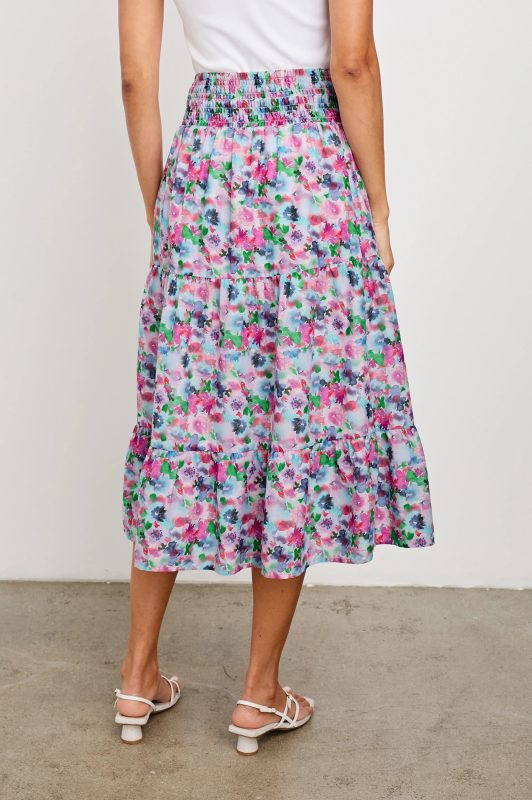
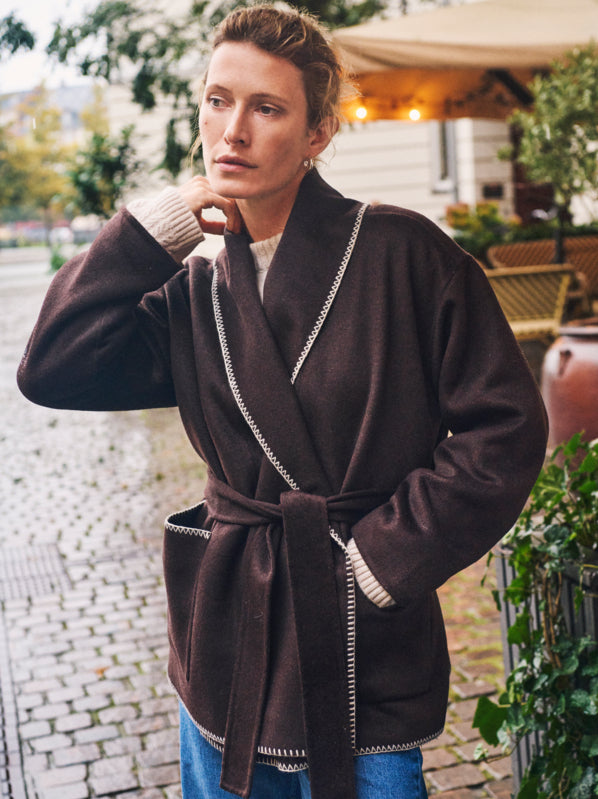
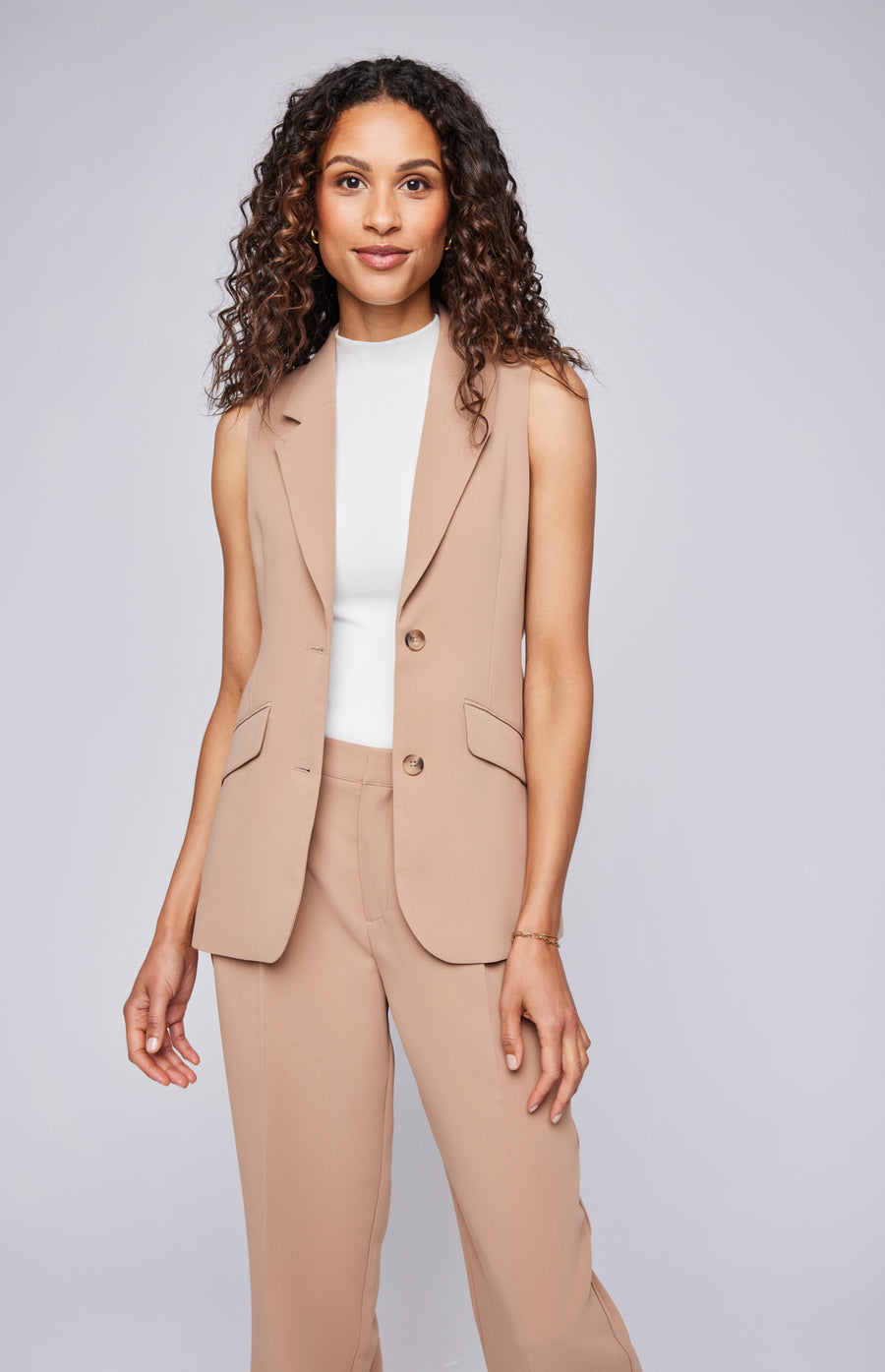
Repeating an outfit does not mean preserving it exactly. Familiar pieces become more interesting when their relationships change. A shirt that was once tucked neatly into tailored trousers can be worn open over a fine knit. A long coat can be belted one day and left loose the next. A midi skirt can feel precise with a compact top and relaxed when paired with something longer and softer.
These changes are small, but proportion gives them weight. Shortening one line, lengthening another, revealing the waist, or allowing a layer to fall freely can make a known garment feel newly expressive without disguising what made it useful in the first place.
Repetition encourages this kind of experimentation because the basic pieces are already understood. There is less uncertainty about fit and comfort, leaving more attention for how the outfit can shift in mood.
Accessories can change the sentence without changing the subject.
Familiar clothes provide a quiet background for accessories to work with greater precision. A structured bag can sharpen a soft outfit. A flat shoe can make tailoring feel more relaxed, while a low heel can bring the same trousers into a more deliberate evening setting. Jewelry can add light near the face without altering the silhouette at all.
The value of accessories becomes clearer when the clothes beneath them are not constantly changing. A scarf, belt, earring, or shoe is no longer competing with an entirely new look. It becomes a measured adjustment to something already understood.
This is one of the pleasures of repetition: small choices become visible. Style can develop through subtle editing rather than constant replacement.
Wear it again.
Keep what feels unmistakably right. Repeat the silhouettes that support your life. Let good fabric soften, good denim settle, good shoes learn your step. Newness is not the measure of style. Recognition can be just as expressive.
Some garments reveal their quality slowly.
The first wear tells only part of a garment's story. Repetition shows whether the shoulder continues to sit correctly after hours of movement, whether a knit recovers its shape, whether a trouser remains comfortable after sitting, and whether a coat still feels balanced when layered over different clothes.
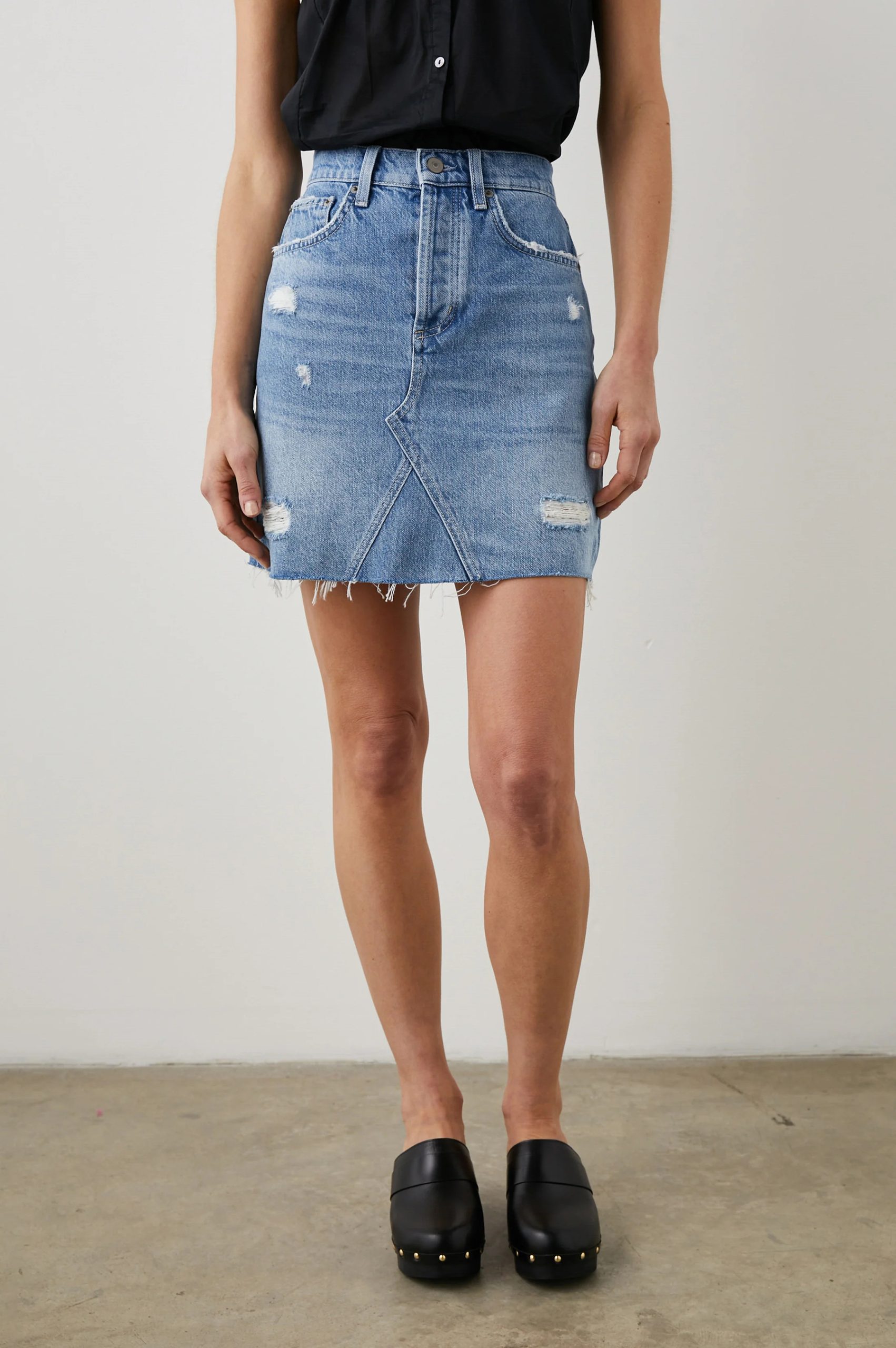
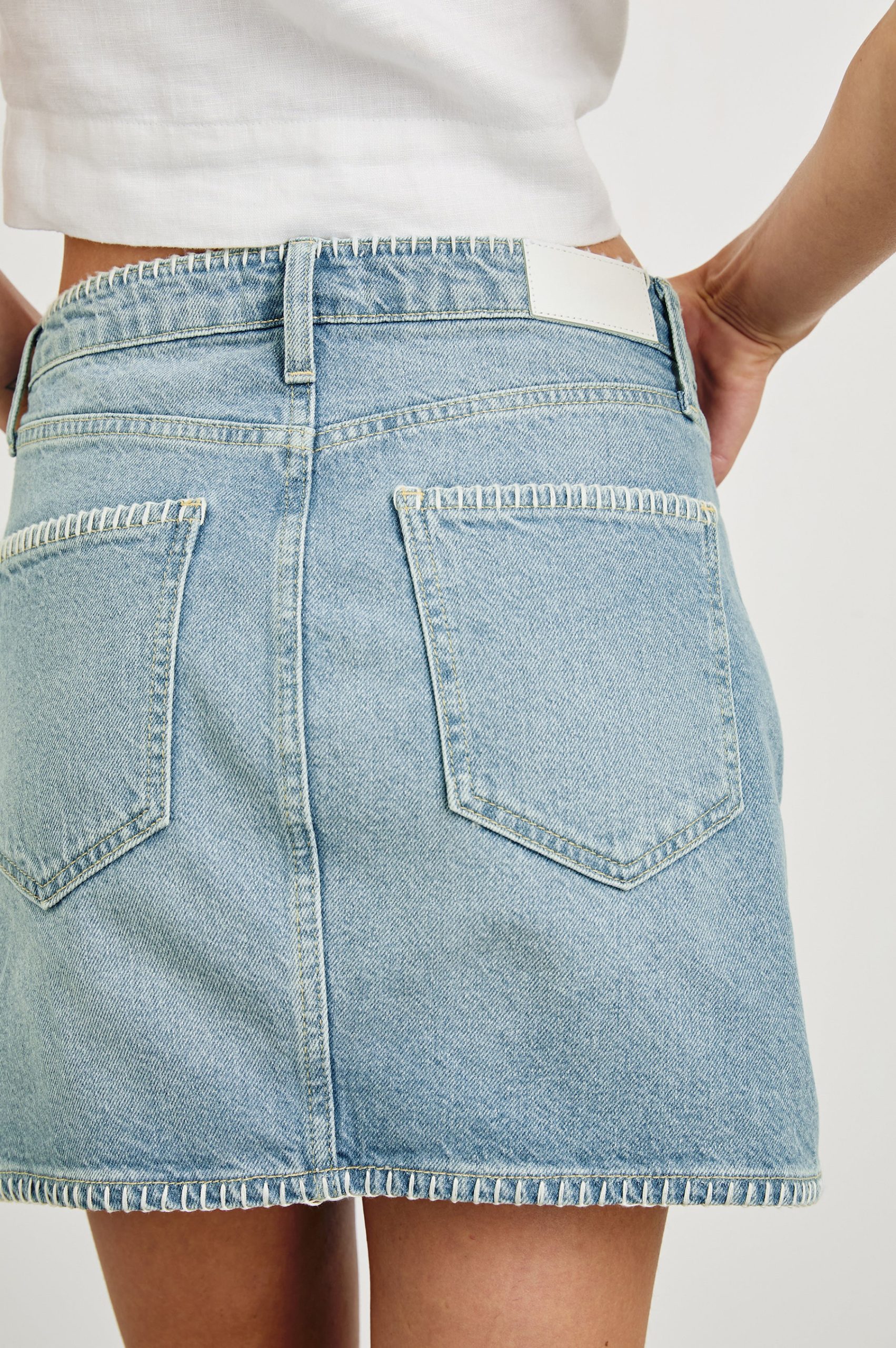
Certain materials become more convincing with familiarity. Denim softens at the places where the body moves most. Leather develops subtle changes in tone and surface. Linen becomes less formal and more relaxed. A well-used wool coat begins to feel less like an object being worn and more like a dependable part of cold-weather life.
These changes cannot be understood through novelty alone. They require time. Rewearing allows a woman to discover which garments merely looked promising and which ones actually become better companions through use.
Yours
There is freedom in no longer needing to look new.
The expectation of constant novelty can make dressing feel strangely public, as though every outfit must prove that something has changed. Repetition turns attention in the opposite direction. The question becomes less about whether the clothes are new and more about whether they still feel right.
That shift can be quietly liberating. A favorite outfit can be worn to different places, through different seasons, and alongside different versions of the same life. Photographs begin to show the same coat, dress, or pair of trousers appearing across years rather than disappearing after a brief moment.
Confidence grows because the outfit becomes familiar territory. The wearer already knows how it moves, where it sits, what shoes belong with it, and how much attention it requires. There is less performance and more presence.
Repetition does not erase creativity. It gives creativity a stable rhythm. The strongest wardrobes often contain fewer surprises than expected, but more nuance: a different cuff, another layer, a new proportion, a familiar color returning in another form. Over time, these repetitions stop looking repetitive at all. They begin to look like a point of view.
Wear it again.
WARDROBE ESSENTIALS / FILE 21
Four Pieces That Hold a Wardrobe Together
A strong wardrobe begins with versatile pieces that can shift between different combinations without losing their identity. These four foundations balance clean structure, relaxed movement, useful layering, and enough visual restraint to work repeatedly across the week.
FOUNDATION / 01-04
01
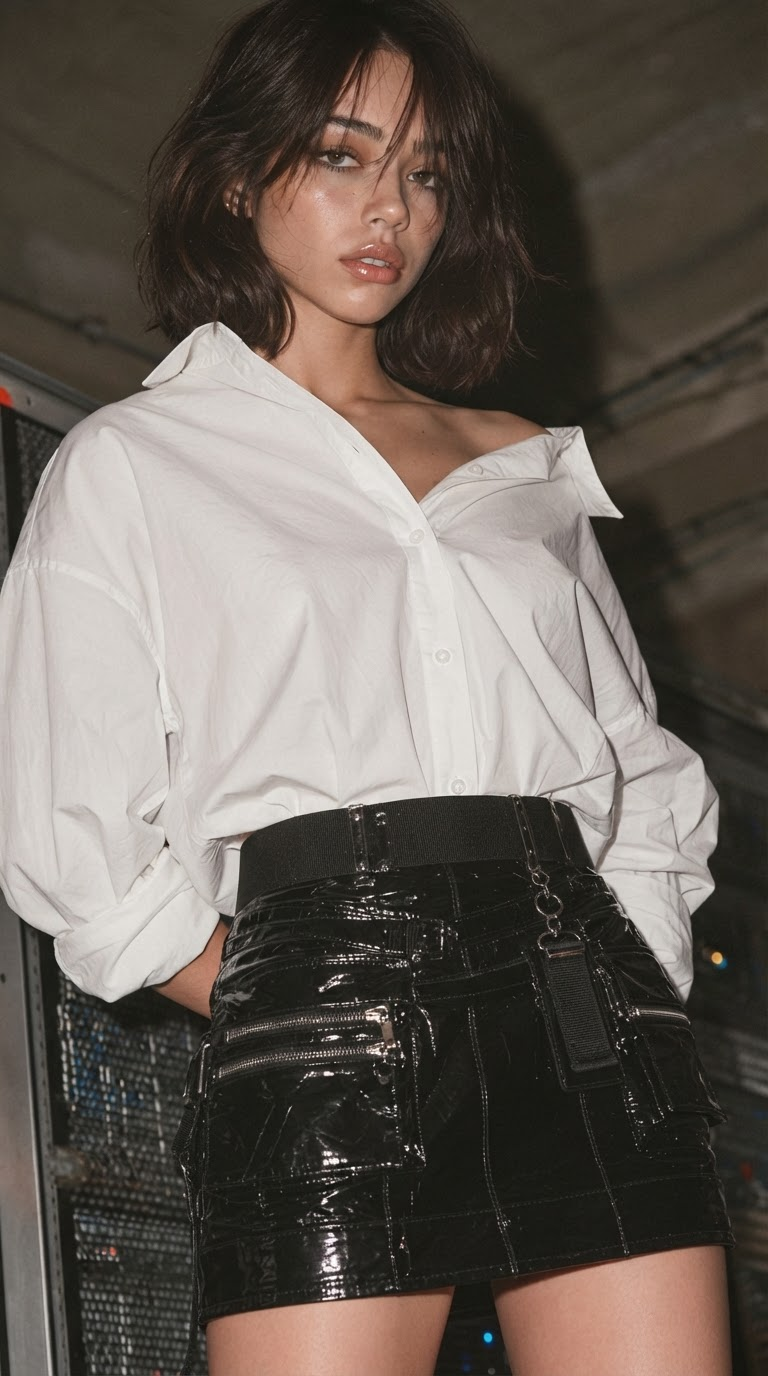
White Shirt
CRISP FOUNDATION / CLEAN LAYER
A white shirt introduces light, clarity, and a defined collar without forcing the rest of the outfit into a formal direction.
FABRIC / CONSTRUCTION
Dense cotton poplin with a controlled collar, generous sleeve volume, and cuffs that retain their shape.
STYLING IDEA
Wear it loosely tucked into relaxed trousers, or leave it open over a close-fitting layer beneath a light jacket.
02
Relaxed Pants
FLUID PROPORTION / WIDE LINE
EDITORIAL NOTE
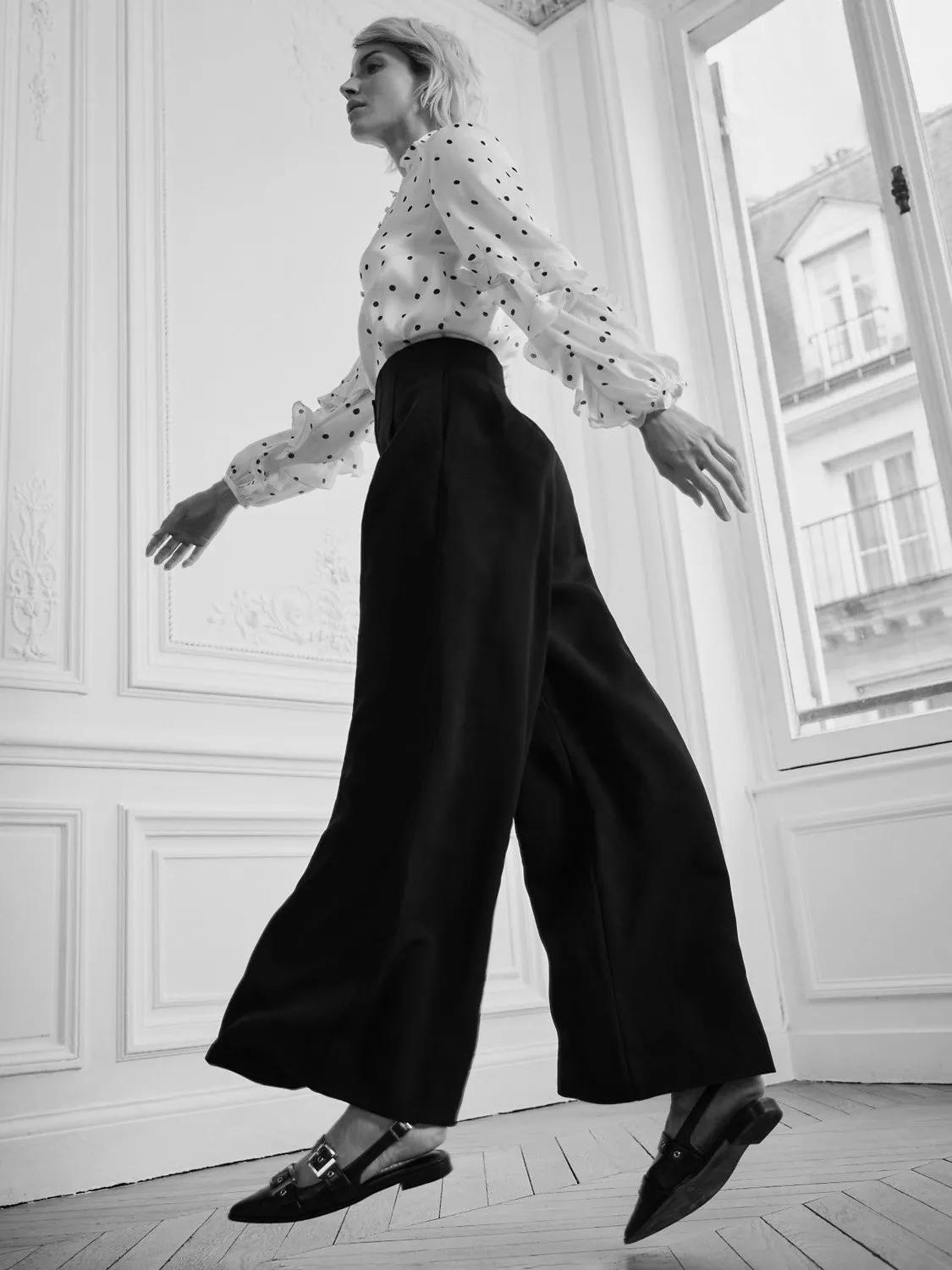
A broad, fluid leg brings ease to tailoring while a controlled waist keeps the silhouette precise and intentional.
FABRIC / CONSTRUCTION
Mid-weight woven cloth with front darts, a clean waistband, and enough density to fall vertically without stiffness.
STYLING IDEA
Balance the volume with the white shirt tucked at the waist or a compact top beneath the jacket.
04
Light Jacket
TRANSITIONAL LAYER / EASY STRUCTURE
A light jacket creates a clear outer line while remaining easy enough to layer over everyday pieces throughout changing weather.
FABRIC / CONSTRUCTION
Lightweight cotton with simple metal fastenings, practical pockets, and a cropped shape that keeps the proportion clean.
STYLING IDEA
Use it over the dress for an effortless daytime layer or combine it with relaxed trousers and a simple base.
03
Everyday Dress
ONE-PIECE FOUNDATION / SHAPED MOVEMENT
An everyday dress offers a complete silhouette in one gesture while remaining adaptable through shoes, outer layers, and small changes in proportion.
FABRIC / CONSTRUCTION
Structured cotton-blend cloth with a button front, softly defined waist, short sleeves, and a midi hem that moves comfortably.
STYLING IDEA
Wear it alone with refined flats, then add the light jacket when a stronger shoulder line or an extra layer is useful.
CORE
ALL